
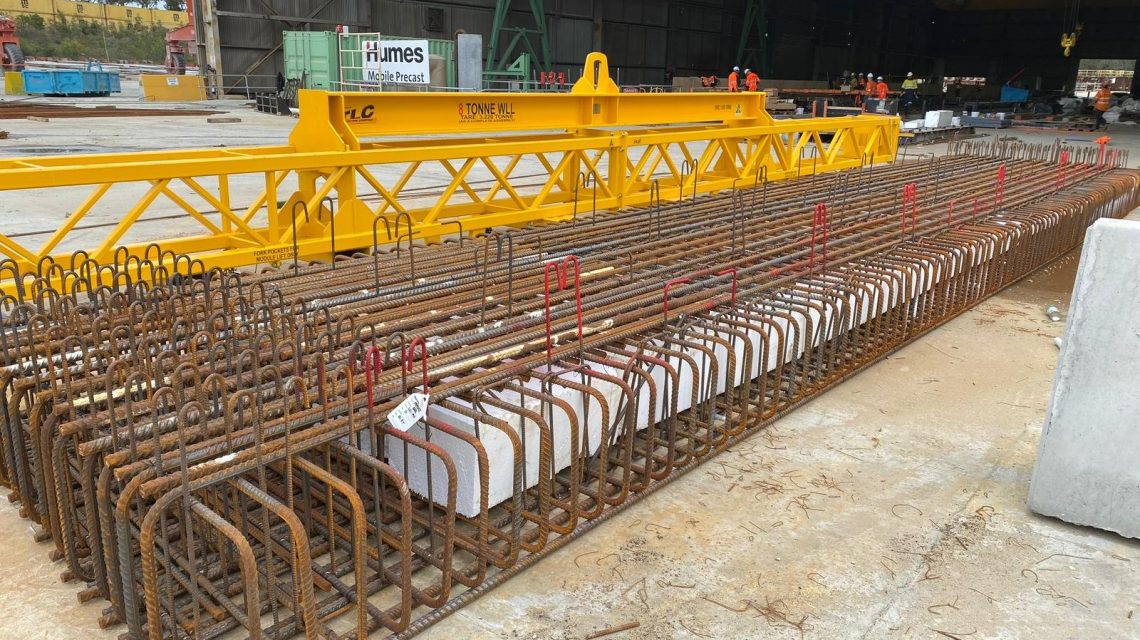
Void formers are lightweight materials used to create, fill or shape voids in concrete and construction projects. In many Perth building and civil applications, expanded polystyrene foam is used because it is light, easy to cut and practical to handle compared with heavier fill or more complex formwork systems.
What does a void former actually do?
Concrete is strong, but it is also heavy. Not every part of a slab, beam, deck or structure needs to be solid concrete. A void former helps create a planned empty space or lightweight zone so the project can reduce concrete volume, manage weight and shape the structure more efficiently.
In practical terms, the void former is placed where the engineer or builder wants to control mass, shape or infill. The final detail depends on the project design. Some applications use EPS as sacrificial formwork; others use it as permanent lightweight fill or shaping material.
Why EPS foam is used for void formers
EPS foam is useful for void former work because it combines low weight with workable structure. It can be moved, cut and positioned more easily than many traditional fill materials. It can also be supplied in larger blocks or shaped pieces, which makes it suitable for construction teams working to specific dimensions.
Lightweight handling
EPS can help reduce dead load and make installation easier for crews, especially where heavier fill would be difficult to move or place.
Custom sizing
Blocks and sheets can be cut to suit project drawings, slab depths, profile requirements or irregular construction details.
Project efficiency
Pre-cut void formers can reduce manual trimming on site and help teams work with cleaner, more predictable components.
Broad application
EPS void formers can be used across slabs, civil works, landscaping structures, lightweight fill and other construction details.
Common uses for EPS void formers
Void formers are used anywhere a project needs controlled shape without unnecessary concrete mass. Foam Technologies supplies EPS products for construction, infrastructure and custom-cut work, which makes void former planning a natural fit for many project types.
- Concrete slabs and infill: reducing volume where solid concrete is not required.
- Bridge and deck work: shaping voids or lightweight areas in larger concrete structures.
- Car parks and podium areas: helping manage levels, loads and formwork requirements.
- Landscaping and public space structures: creating lightweight shapes beneath hard finishes.
- Civil and infrastructure projects: supporting lightweight fill or shaped construction requirements.
Void formers vs traditional formwork
Traditional formwork is often built to create a mould, support a pour and then be removed. Void formers are different because the material may remain in place, act as sacrificial formwork or function as lightweight fill depending on the design. This can reduce complexity in areas where removing formwork would be difficult or unnecessary.
EPS is not a replacement for engineering. It is a material choice that should follow the design requirements. The structural design, loading, concrete detail, fire exposure, finish and installation method should all be confirmed before production.
What to confirm before ordering void formers
The best void former orders are clear and specific. Foam Technologies can cut EPS to project requirements, but the production team needs the right information before cutting begins.
- Overall dimensions for each block, sheet or profile.
- Quantity of each size and whether pieces repeat.
- Drawings, marked-up plans or sketches.
- Any engineer-specified requirements or tolerances.
- Whether pieces need to fit around penetrations, steps or curves.
- Delivery timing, access requirements and installation sequence.
How custom cutting improves the result
Many void former issues start when rough blocks are cut down on site. This can create messy offcuts, inconsistent fit and extra labour. Custom cutting moves more of that work into production, where repeat profiles and accurate dimensions can be handled more cleanly.
For complex shapes, the project team should provide drawings or templates early. That gives Foam Technologies a better chance to recommend a practical cutting approach and reduce last-minute changes.
Related EPS products
Void formers often sit alongside other EPS products. Depending on the job, your project may also need construction foam blocks, geofoam blocks, materials and foam blocks, or custom profile cut shapes.
Frequently asked questions
Are EPS void formers permanent?
They can be permanent or sacrificial depending on the project design. The engineer or project specification should confirm how the void former is intended to function.
Can void formers be made to custom sizes?
Yes. EPS blocks and sheets can be cut to supplied dimensions, drawings or profiles. Repeatable shapes and clear measurements usually produce the best result.
Do void formers reduce concrete cost?
They can reduce concrete volume in the areas where solid concrete is not required. The final cost impact depends on the design, labour, installation method and material requirements.